


How sound diffusion and absorption work
Why a room sounds the way it does, and what panels on the wall actually do.
Sound bounces
In an empty room with hard walls, sound bounces from surface to surface many times before it fades. You hear the direct sound from the speaker or the voice, and then a crowd of reflections arriving a few milliseconds later.
Too many strong reflections cause the familiar problems: a clap that rings like a metallic "flutter", speech that gets muddy, music that loses detail, a home studio where mixes never sound right anywhere else.
There are two ways to deal with a reflection: break it up and spread it around (diffusion), or take its energy away (absorption).
Diffusion: spreading energy around
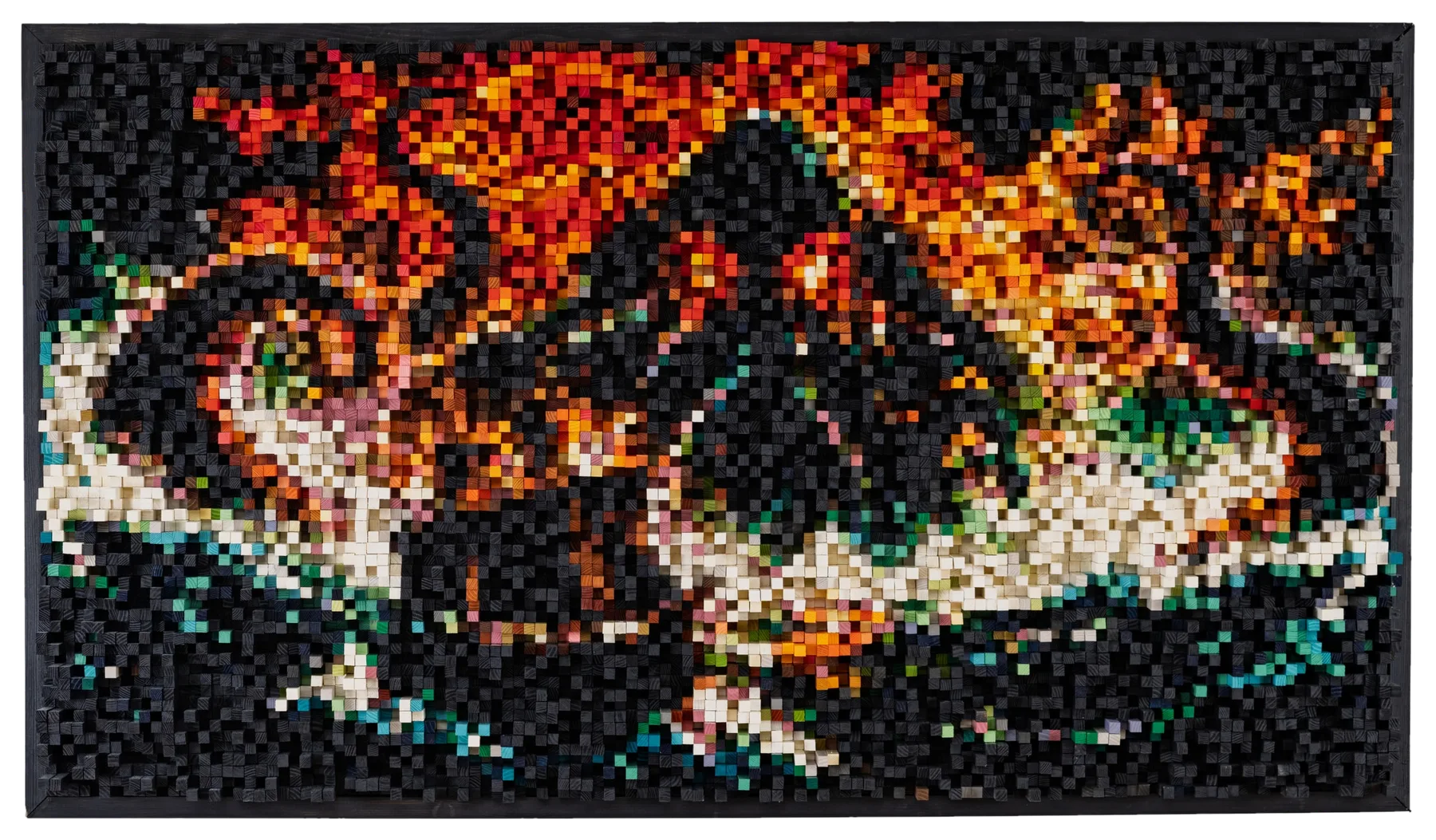
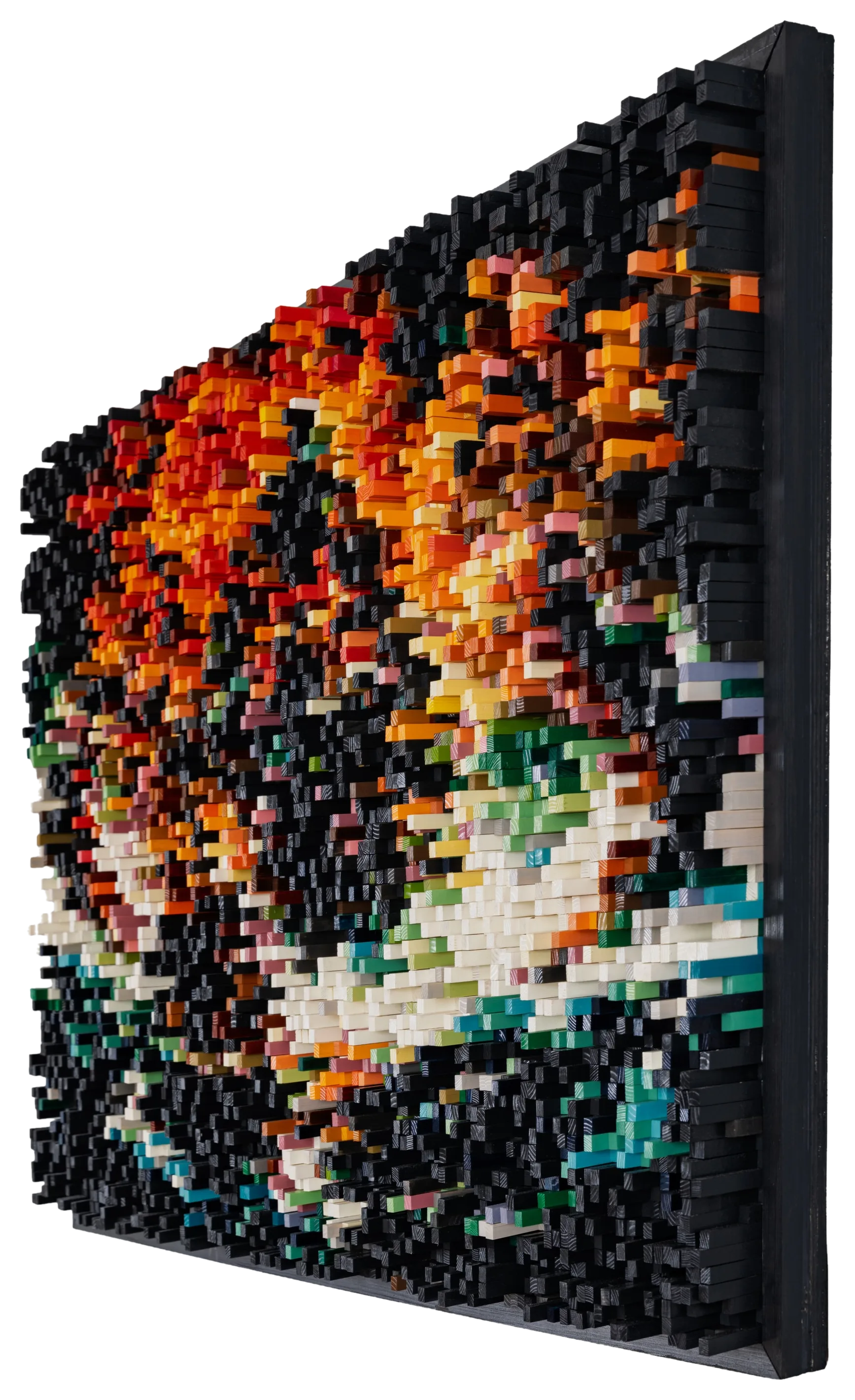
A diffuser does not remove sound. It keeps the energy in the room but changes its shape: instead of one strong mirror-like reflection, you get many weak ones spreading in all directions and arriving at slightly different times.
This tames the strong reflections that boost some frequencies and cancel out others when they meet the direct sound. The room keeps its life, and you hear the music the way it was played.
Absorption: taking energy away
An absorber is a porous material, such as mineral wool, foam or felt, usually covered with fabric. Sound waves travel into it and make the air move through millions of tiny fibres and pockets. That friction turns a small part of the sound into heat, so less comes back out.
Thickness matters. A thin panel only catches high frequencies. Around 5 cm of material works well from the upper mids up; 10 cm, or a panel mounted with an air gap behind it, reaches lower. Deep bass needs much thicker "bass traps", usually in the corners.
Absorbers are the right tool to shorten reverberation, to treat the first reflection points beside and above a listening position, and to calm noisy rooms like restaurants or offices. Too much absorption, though, makes a room sound dead and boxy.
Using them together
Most good-sounding rooms use both. A simple recipe for a listening room or home studio:
- Diffusers on the back wall behind the listener, so the room stays lively and spacious without slapback echo.
- Absorbers at the first reflection points on the side walls and ceiling, so the stereo image stays sharp.
- Bass traps in the corners if low frequencies boom.
- Bare parallel walls are the first place to treat: that is where flutter echo lives.
In living rooms, restaurants and offices the same idea applies: a little absorption to lower the noise, a little diffusion to keep the space natural.